



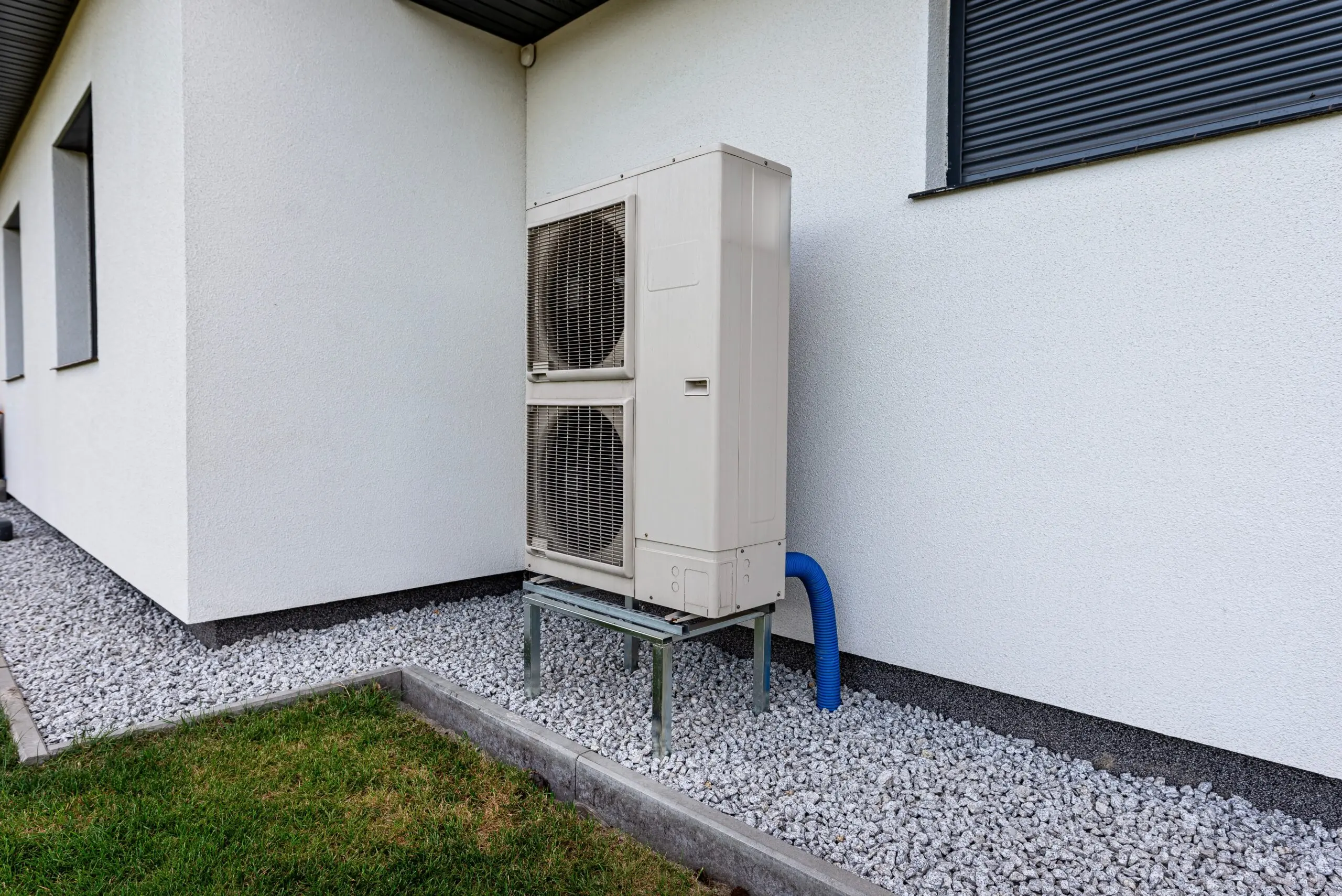
Going for a heating replacement isn’t usually the option homeowners want to hear about when their heating system starts acting strangely. Most people hope the issue is minor, something that can be adjusted, tightened, or swapped out. But compressor problems don’t work that way. Once the compressor begins to struggle, heating comfort changes, energy use creeps up, and repair bills start arriving more often than expected. Knowing when those repairs stop being practical can save a lot of frustration, especially during colder months when reliability matters most.
1. Why the Compressor Controls the Entire System
The compressor does the heavy lifting inside a heat pump. It moves refrigerant through the system so heat can be collected and delivered indoors. When it’s healthy, heating feels smooth and consistent. When it isn’t, everything else feels off. Rooms may take longer to warm, temperatures fluctuate, and the system seems louder or more strained than before. It’s rarely subtle once compressor trouble begins.
2. How Compressor Problems Usually Start
Most compressor failures don’t happen overnight. They build slowly. Electrical issues, overheating, and refrigerant contamination are common starting points. Early on, the system may still run, which gives a false sense of security. Over time, those small issues stack up, turning what felt manageable into something far more serious.
3. Why These Repairs Are Never Cheap
Compressor repairs are a whole different ball game from replacing a thermostat or cleaning a sensor. They involve sealed up components, specialist equipment, and you need a technician with a load of experience, and just trying to figure out what’s gone wrong can be a time-consuming business. And once you start doing the repairs, the costs start racking up fast, & there’s no guarantee that this time it really will sort the problem out before the next thing starts to go wrong. It’s the uncertainty thats what keeps homeowners up at night.
4. The Trap of “Just One More Repair.”
This is where many homeowners get stuck. A repair seems reasonable, so they approve it. Then another issue shows up months later. Each time, the decision feels small, but together they become expensive. Eventually, people realize they’ve spent a significant amount trying to keep an aging system going, with comfort still falling short.
5. Warning Signs That Should Raise Red Flags
Buzzing sounds, hard starts, frequent cycling, or heating that feels weaker than it used to are common warning signs. When several of these appear together, homeowners often start searching for signs that the heat pump needs replacement, hoping for clarity. At this point, repairs may still be possible, but they often bring short-lived results rather than real improvement.
6. When Energy Bills Stop Making Sense
One of the more frustrating clues is the energy bill. Nothing changes in daily habits, yet costs climb. That’s usually because the compressor is working harder just to keep up. The system runs longer, uses more electricity, and still delivers uneven comfort. When higher bills don’t match better performance, something deeper is wrong.
7. Age Changes the Equation Completely
A newer system with an isolated issue is one thing. An older system with compressor trouble is another story. Over time, internal wear reduces reliability, even if individual parts are repaired. Once a system reaches a certain age, fixes become less predictable. Homeowners often feel like they’re waiting for the next problem rather than enjoying dependable heating.
8. Comfort Isn’t Just About Temperature
Heating isn’t only about numbers on a thermostat. It’s about confidence. Knowing your system will turn on when you need it matters. Compressor issues chip away at that confidence. Planning ahead instead of reacting to an emergency breakdown gives homeowners control, options, and far less stress during peak heating season.
Compressor issues tend to keep getting worse, rather than just magically disappearing. The more you have to go in and fix them, the more they slip further and further into disrepair, and at some point the question stops being about sorting the immediate problem and becomes about whether it’s worth spending money to get a bit more life out of a system that just cant seem to stay in working order for more than a month or two. Realising when the repairs are no longer really doing anything to help takes the sting out of the pain & the surprise of having another bill pop up out of the blue.
If recurring compressor problems are affecting your comfort or driving up repair costs, it’s time for clear answers. Contact Chill Factor Cooling & Heating at 951-268-6520 to talk through with our experts and get straightforward guidance.
FAQs
Q. Do compressor problems always mean immediate replacement is required?
Not always, but repeated issues usually indicate deeper wear that repairs may not fully resolve.
Q. Why does heating feel inconsistent when the compressor is failing?
A weakened compressor struggles to move refrigerant efficiently, which affects how evenly heat is distributed.
Q. Can waiting too long make the situation worse?
Yes. Continued operation with compressor issues can strain other components and increase overall system damage.