



Your AC had one job: keep things cool. When it suddenly starts pushing warm air, frustration builds fast. But reacting instantly isn’t always the smartest move. Most cooling issues don’t begin with a major failure. They start small, almost unnoticed, then grow into something louder, more annoying, harder to ignore.
That’s where you stay ahead. Before reaching for your phone, run through a few focused checks. You’re not guessing, you’re verifying. If something simple is off, you fix it. If not, you move forward with clarity. Before calling for 24 hour AC repair in Corona, CA, give these five checks your full attention. They separate minor slip-ups from real system trouble.
1. Thermostat Confusion Happens More Than You Think
Let’s start with the control point. The thermostat looks harmless, but it can quietly throw your entire system off balance. Check the mode first. If it’s set to “fan,” the system will circulate air without cooling it. That alone can turn a comfortable room into a warm, stale space. Switch it to “cool” and give it a minute to respond.
Now check the temperature setting. If it’s set higher than room temperature, the AC won’t engage. Even a small difference matters. Adjust it a few degrees lower and observe. Battery condition matters too. Weak batteries don’t always shut things down; they cause erratic behavior. Replace them, reset the unit if needed, and watch for consistency.
Programmable thermostats add another layer. Old schedules can override current settings without warning. Review programmed times and make sure nothing is working against you. This step is simple, but it clears up more issues than people expect. Skip it, and you risk chasing a problem that doesn’t exist.
2. Air Filters Might Be Blocking Cooling
Airflow is the foundation of cooling. When airflow drops, performance follows. Filters play a bigger role here than most people give them credit for. Pull out your air filter and inspect it. If it’s coated in dust or looks gray and heavy, airflow is already compromised. Your AC is working harder while delivering less. That’s how warm air starts creeping in. Replace it with a clean filter. No shortcuts, no brushing it off and putting it back. A fresh filter restores airflow immediately.
Clogged filters don’t just reduce cooling; they increase strain on system components. Over time, that strain builds into larger issues that require attention beyond simple fixes. Keep a schedule. Regular replacement keeps airflow steady and performance consistent. Ignore it, and the system keeps fighting against the restriction.
3. Outdoor Unit Needs Space to Work
Step outside. Your condenser unit handles heat removal, and when it struggles, indoor cooling drops fast. Look around the unit. Leaves, dirt, and debris can gather around it without you noticing. That buildup traps heat and limits airflow. Clear space around the unit, give it room to operate without obstruction.
Check fins as well. If they look bent or clogged, airflow is restricted. Gentle cleaning can improve performance, but avoid aggressive handling. Now listen closely. If the unit sounds louder than usual or cycles on and off rapidly, it’s under pressure. That’s not something to ignore. If clearing debris doesn’t improve cooling, the situation may be heading toward emergency AC repair in Corona, CA. Recognizing that early saves you from bigger complications later.
4. Refrigerant Isn’t Optional, It’s Critical
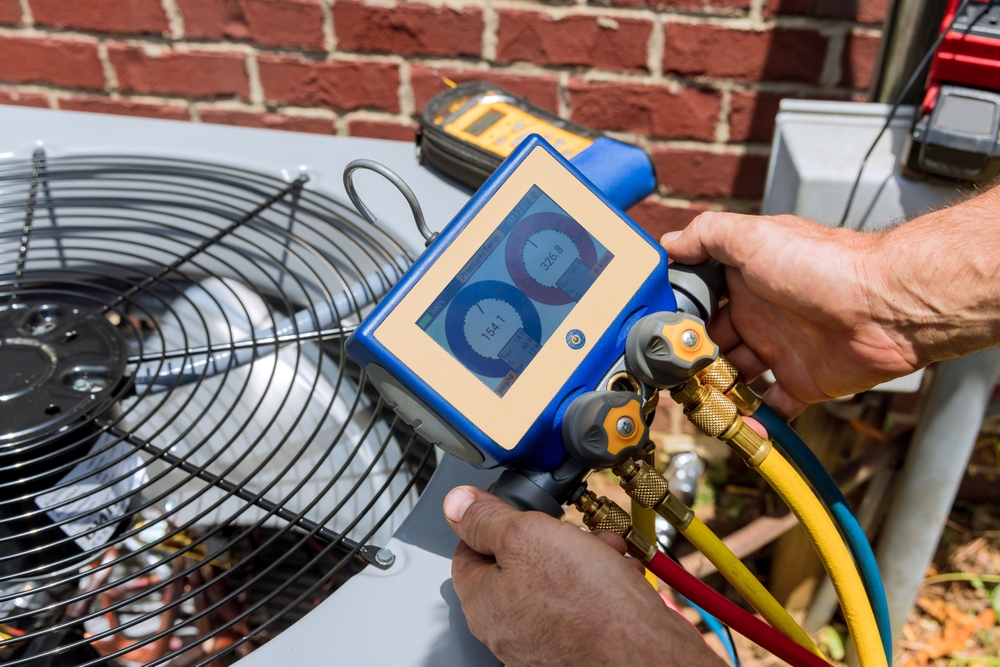
Refrigerant does actual cooling work. Without proper levels, the system runs but fails to deliver cold air. Here’s the key point: refrigerant doesn’t get consumed. If levels drop, there’s likely a leak somewhere in the system. That leak disrupts the cooling cycle and creates an imbalance. Watch for warning signs. Warm airflow is an obvious one, but there are others, such as longer cooling cycles, reduced efficiency, and ice forming on refrigerant lines. Ice might seem harmless, but it signals a deeper issue.
If you notice freezing, turn the system off. Letting it run in that condition increases the risk of damage. This isn’t a DIY fix. Refrigerant handling requires proper tools and a controlled approach. Attempting shortcuts here leads to bigger problems, not solutions. When refrigerant is involved, it’s about precision, not guesswork.
5. Electrical Parts Can Quietly Fail
Your AC depends on electrical components working together without interruption. When one part weakens, the entire system feels it. You might notice the unit turning on but not cooling, or shutting off mid-cycle. That behavior isn’t random; it’s a signal.
Start with the breaker panel. If the breaker has tripped, reset it once. If it trips again, stop there. Repeated resets don’t fix the root cause. Capacitors, relays, and contactors wear down over time. When they fail, the system struggles to maintain consistent operation. Cooling becomes unpredictable, sometimes disappearing altogether. At this stage, calling for same day AC repair in Corona, CA, is a calculated move. Electrical issues don’t stabilize; they expand into more complex failures.
Warm air from your AC doesn’t always mean system failure, but it never means ignoring it. Small issues can build quietly until they demand serious repair. Running through thermostat settings, airflow checks, outdoor unit condition, refrigerant signs, and electrical basics gives you control. You either fix the problem or confirm it needs attention. That clarity keeps things efficient. Cooling should feel steady, not uncertain. When the system shifts away from that, stepping in early prevents larger damage and keeps your space comfortable without unnecessary delay.
“Warm air doesn’t fix itself, and waiting only gives it more time to turn into a bigger problem. Step in with clarity, act with intent, and bring your system back to proper cooling performance without second-guessing. Contact us at Chill Factor Cooling & Heating. Call now at 951-268-6520 and take control of your comfort before things get worse.”
FAQs
1. Why does my AC blow warm air during peak summer in Corona, CA?
In Corona, CA, high outdoor heat puts extra strain on AC systems. If airflow is restricted or components are slightly off, your unit may struggle and start pushing warm air instead of cool.
2. How often should I get my AC checked in Corona, CA, to avoid cooling issues?
For homes in Corona, CA, scheduling maintenance at least twice a year helps keep your AC performing consistently, especially before temperatures rise and demand increases.
3. Can power fluctuations in Corona, CA, affect how my AC cools?
Yes, in Corona, CA, electrical fluctuations or circuit issues can interrupt your AC’s performance, causing inconsistent cooling or warm air output if not addressed promptly.