

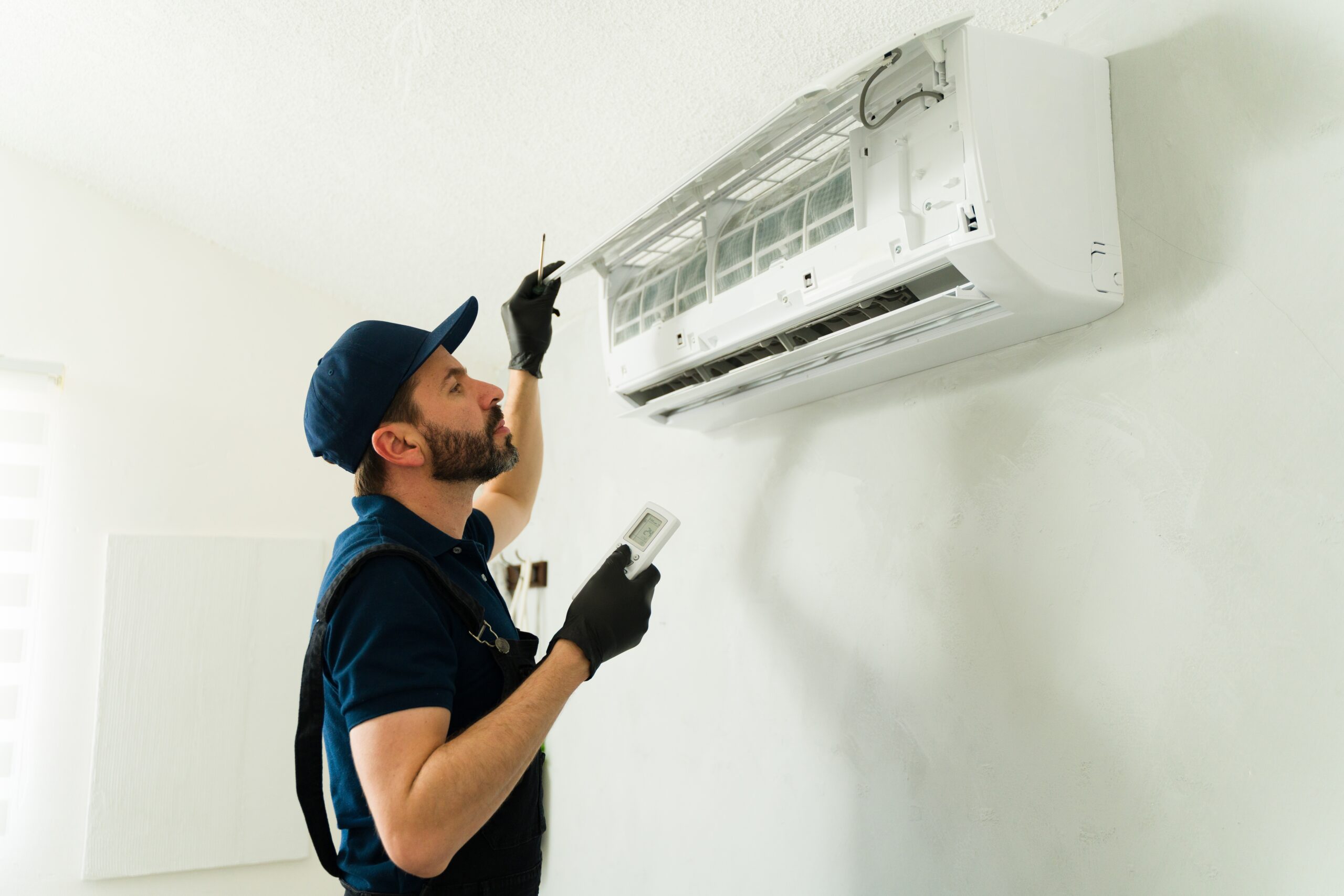
Cooling systems are notorious for failing when demand for them is highest – like the very moment you need them most. Heat builds up fast inside once the airflow stops dead in its tracks. Most of the time, the problems start off small but inevitably pop up at the absolute worst moment. AC repair in Eastvale, CA, is there to help bring the system back online when it just stops working without any warning.
Before you even think about calling for some help, you might want to take a couple of minutes to do a quick check to rule out the really obvious issues. These little checks will actually help you figure out whether you just need a quick look or if you really do need a full service visit.
Start With The Basics – Thermostat & Power
First and foremost, check that the thermostat is actually set to “cool”. And while you’re at it, do a double check to make sure it’s actually set lower than the current room temperature. The AC just won’t do a thing if it’s not even turned on. And if the screen on your thermostat is just a blank or it’s looking a bit dim, then it might be as simple as needing to swap out the batteries.
Next up, go take a look at the breaker panel – a tripped breaker can be the reason why your AC just stopped working. Reset it once and see if that kicks it back into gear. If it trips again, leave it alone and give us a call – this might be a sign of a deeper electrical issue.
Airflow Issues Show Up Fast
Airflow is what keeps a cooling system running smoothly – when it gets clogged, you can bet the whole system is going to start to shut down. A dirty air filter can block airflow and cause the evaporator coil to freeze up in no time.
So give that filter a good check. If it looks dusty or it’s packed so tight you can barely breathe, it’s probably time to replace it. This is one of those simple fixes that can often get the system running again all on its own.
Common Mechanical Failures
Some parts wear out over time. Capacitors lose strength under heat load. Contactors can pit and stop power flow. Blower motors may fail and stop air movement.
These issues need proper testing. A technician checks voltage, amperage, and system response to confirm the fault. This helps avoid guesswork and repeat issues.
Refrigerant and Cooling Output
Refrigerant carries heat through the system. Low charge reduces cooling and can cause ice on the coil. You may notice warm air at the vents or longer run times.
A trained technician checks the system pressure and temperature split. If a leak is found, it must be fixed before adding refrigerant. This keeps the system balanced.
When Repair Is Not Enough
Some systems reach a point where repair does not hold. Older units may fail more often and struggle to cool the space.
In these cases, some owners look into emergency AC installation in Eastvale, CA, to restore cooling without long downtime. A new system can bring stable airflow and better energy use.
AC issues often start small. Basic checks can rule out simple causes. When the problem runs deeper, timely repair helps prevent more damage.
A clear plan after each repair helps. Change filters on schedule. Watch for changes in airflow or run time. These steps support steady cooling through long heat cycles.
“For service support, contact Chill Factor Cooling & Heating at 951-268-6520. Our team works with residential systems and focuses on restoring cooling without delay.”
FAQs
1. How fast can I get AC repair in Eastvale, CA, during peak summer?
Response time depends on demand and time of day. Many service calls are handled the same day. During heat waves, wait times may extend. Calling early in the day often helps secure a faster visit.
2. What should I do while waiting for AC repair in Eastvale, CA?
Turn the system off to prevent added strain. Close blinds to block heat. Use fans to move air through the space. Avoid using ovens or other heat sources. These steps help keep the indoor temperature lower until service arrives.
3. When should I consider emergency AC installation in Eastvale, CA, instead of repair?
If your system breaks down often or cannot keep the space cool even after repair, replacement may be the better option. Systems over 10 to 15 years old tend to lose efficiency and need more frequent service.
4. Why does my AC stop working during the hottest part of the day?
High outdoor temperatures place an extra load on the system. Weak parts like capacitors or low refrigerant levels often fail under this stress. Regular checks help catch these issues before they lead to a full shutdown.