


Get Your Free Quote
Terms and Conditions | Privacy Policy
Home / A Homeowner’s Complete Guide to Heat Pump Services
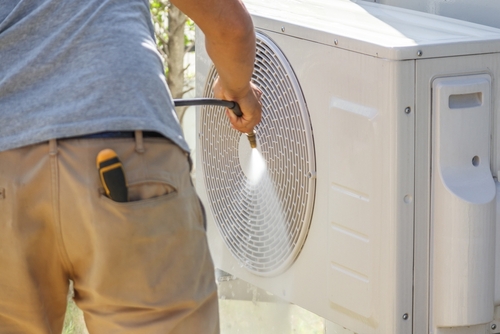
Everything You Need to Know About Efficient Heating and Cooling for California Homes
Heat pump systems have become one of the most discussed home comfort solutions in recent years, yet they remain one of the least understood by homeowners. Many people still associate heating with furnaces and cooling with air conditioners, without realizing that a single system can perform both functions efficiently, quietly, and reliably.
This guide was created by Chill Factor Cooling & Heating to give homeowners a clear, honest, and technically sound understanding of heat pump services. Whether you are researching a new system, already own a heat pump, or want to improve performance and efficiency, this guide is designed to answer real questions in real language—without sales pressure or vague explanations.
Limited Time Offers
Exclusive Deals This Season
Spring Tune-Up Special
Limited-time offer
Expires 06/30/2026
New System Installation
Limited-time offer
Expires 06/30/2026
Maintenance Plan
Limited-time offer
Expires 06/30/2026
What Is a Heat Pump? A Clear, Homeowner-Friendly Explanation
A heat pump is a heating and cooling system that moves heat rather than creating it. Instead of burning fuel or generating heat through electrical resistance, it transfers heat from one location to another using a refrigeration cycle.
This approach offers several important advantages for homeowners:
- Energy is used more efficiently because heat is moved, not produced.
- One system replaces the need for separate heating and cooling equipment.
- Indoor temperatures stay more consistent and comfortable.
- Long-term operating costs are often lower than those of traditional systems.
In practical terms, a heat pump works much like a refrigerator, but in reverse. In summer, it removes heat from inside your home and releases it outdoors. In winter, it pulls heat from the outside air and brings it indoors, even when temperatures feel cool.
Because rarely experiences extreme cold, heat pumps are especially effective across most regions.
How Does a Heat Pump Work Throughout the Year?
Heat pumps operate using a closed-loop system that includes refrigerant, coils, a compressor, and a reversing valve. These components work together to move heat in or out of the home, depending on the season.
During warmer months:
Cooling Mode Operation
- Warm indoor air is drawn across the indoor coil.
- Heat is absorbed by the refrigerant.
- The refrigerant carries that heat outdoors.
- Cool air is redistributed throughout the home.
This process mirrors how a traditional air conditioner works, which is why heat pumps are so effective for cooling.
When temperatures drop:
Heating Mode Operation
- Heat is absorbed from the outdoor air.
- The refrigerant concentrates this heat.
- Warm air is released inside the home.
- Long-term operating costs are often lower than those of traditional systems.
Even when outdoor air feels cold, it still contains usable heat energy. Modern heat pumps are designed to extract this efficiently, making them well-suited for California winters.
Understanding the Main Components of a Heat Pump System
Understanding the main components of your heat pump gives you a clearer picture of how the system delivers comfort and why professional installation, maintenance, and repair are so important. A heat pump is not a single piece of equipment but a coordinated system where each part plays a specific role. When one component underperforms, the entire system can lose efficiency, reliability, and comfort.
Outdoor Unit
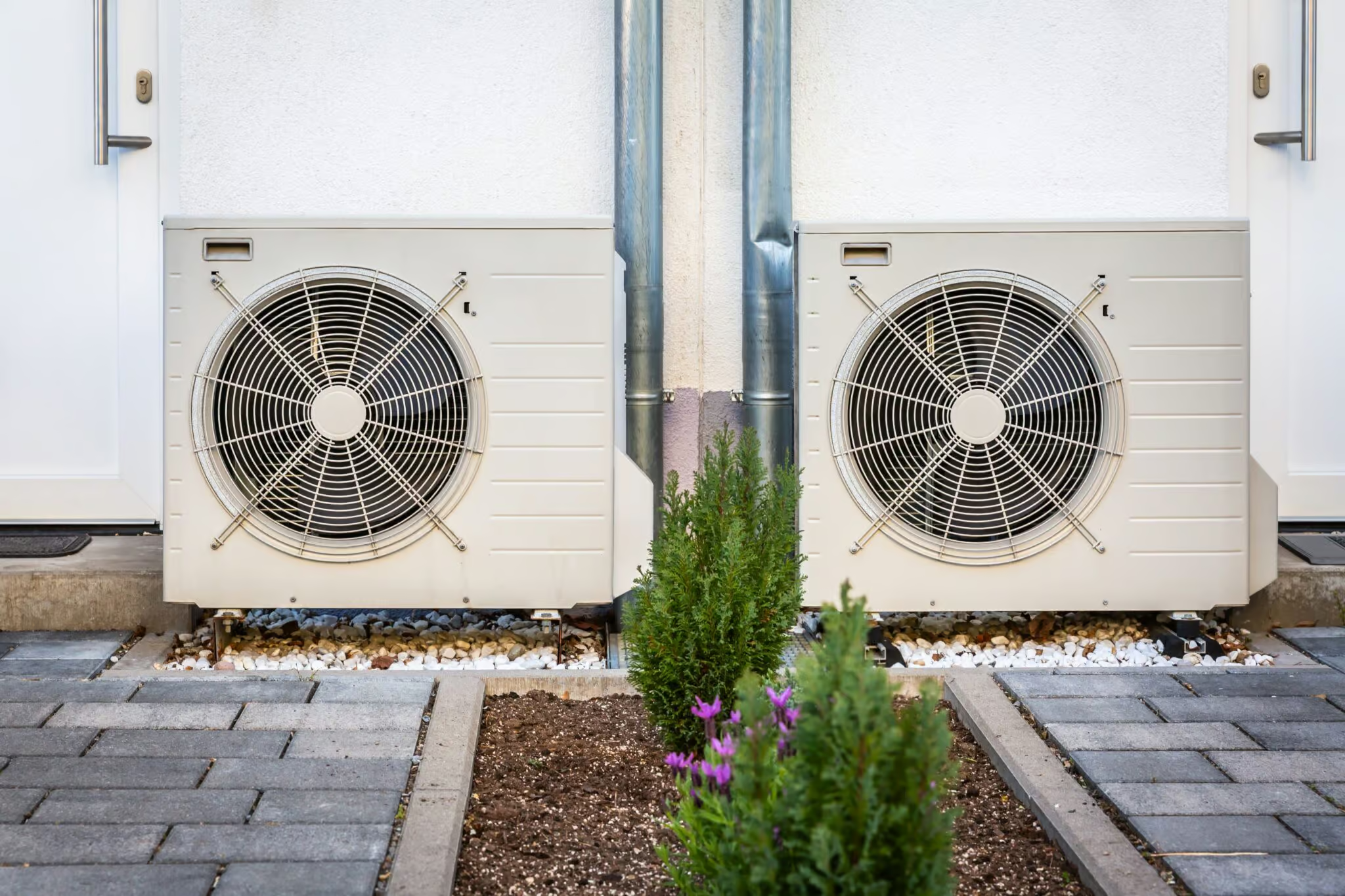
The outdoor unit is one of the hardest-working parts of a heat pump system. It houses the compressor and the outdoor coil, both of which are essential for moving heat in and out of your home.
The compressor acts as the heart of the system. It circulates refrigerant and increases its pressure so heat can be efficiently transferred. The outdoor coil then releases or absorbs heat depending on whether the system is in cooling or heating mode. Because this unit is exposed to weather, dust, debris, and temperature changes, it requires regular professional inspection to prevent wear, airflow restrictions, and performance loss.
Indoor Unit
The indoor unit works quietly behind the scenes to deliver comfortable air throughout your living spaces. It connects to ductwork or wall-mounted air handlers and distributes heated or cooled air evenly across the home.
This component contains the indoor coil, blower motor, and air filter. If airflow is restricted due to dirty filters or internal buildup, comfort levels drop and energy usage increases. Professional service ensures the indoor unit is clean, balanced, and operating efficiently to maintain consistent temperatures and healthy indoor air quality.
Refrigerant Lines
Refrigerant lines are the pathways that carry heat energy between the indoor and outdoor units. These insulated copper lines allow the system to transfer heat efficiently without loss.
Even a small refrigerant issue can significantly reduce system performance. Leaks, improper charge levels, or damaged insulation can lead to higher energy bills and poor comfort. Because refrigerant handling requires specialized tools and certification, professional technicians are essential for safe and accurate service.
Reversing Valve
The reversing valve is what allows a heat pump to function as both a heating and cooling system. It changes the direction of refrigerant flow, enabling the system to switch modes with the push of a thermostat button.
When this valve malfunctions, the system may get stuck in one mode or fail to deliver the expected temperature. Diagnosing and repairing reversing valve issues requires technical expertise, making professional service critical for restoring proper operation.
Thermostat
The thermostat serves as the control center of the entire heat pump system. It monitors indoor temperatures and signals the system when to start, stop, or change modes.
A faulty or outdated thermostat can cause uneven temperatures, short cycling, or unnecessary energy use. Professional technicians ensure the thermostat is correctly calibrated, properly located, and fully compatible with the heat pump system. Many homeowners also benefit from smart thermostat upgrades that improve comfort control and energy efficiency.
Types of Heat Pumps Systems and How to Choose the Right One
Not all heat pumps are designed the same, and choosing the right system involves more than selecting a brand or price point. The best heat pump for your home depends on several factors, including your home’s layout, insulation quality, comfort preferences, long-term energy goals, and installation budget. Understanding the differences between the main heat pump types helps homeowners make informed decisions and avoid costly mismatches.
Air-Source Heat Pumps
Air-source heat pumps are the most widely used residential systems and are often the first option recommended for single-family homes. These systems work by transferring heat between your home and the outdoor air, providing both heating and cooling from a single system.
In cooling mode, the system pulls heat from inside your home and releases it outdoors. In heating mode, it captures heat from outdoor air—even in cooler temperatures—and brings it inside. Modern air-source heat pumps are far more efficient than older models and perform reliably in moderate climates, making them a popular choice for many Florida homeowners.
These systems integrate easily with existing ductwork, which helps reduce installation complexity and cost. They are also compatible with smart thermostats and zoning upgrades, allowing for improved comfort control. However, because they rely on outdoor air temperature, efficiency can decrease during extreme heat or unexpected cold snaps. Professional sizing and placement are critical to ensure consistent comfort and optimal performance.
Ductless Mini-Split Heat Pumps
Ductless mini-split heat pumps offer exceptional flexibility and control, especially for homes without traditional ductwork. These systems consist of an outdoor unit connected to one or more indoor air handlers mounted on walls or ceilings.
Each indoor unit operates independently, allowing homeowners to control temperatures room by room. This makes ductless systems ideal for home additions, converted garages, older homes, or areas with uneven heating and cooling. Because there are no ducts, energy loss from duct leakage is eliminated, resulting in improved efficiency.
Installation is typically less invasive than ducted systems, but proper placement and load calculation remain essential. A professional technician ensures the system is sized correctly for each zone and installed to blend with the home’s layout and design. While the upfront cost per room can be higher, many homeowners appreciate the long-term comfort and energy savings.
Ground-Source (Geothermal) Heat Pumps
Ground-source, or geothermal, heat pumps are among the most energy-efficient heating and cooling systems available. Instead of relying on outdoor air, these systems exchange heat with the stable temperatures found underground.
Comparison Chart: Heat Pump Options
| Feature | Air-Source | Ductless Mini-Split | Ground-Source |
| Installation Cost | Moderate | Moderate | High |
| Energy Efficiency | High | Very High | Extremely High |
| Best For | Whole homes | Zoned comfort | Long-term efficiency |
| Maintenance Needs | Moderate | Low | Low |
Why Heat Pumps Are Ideal for Homes
California’s climate makes heat pumps particularly effective:
- Mild winters reduce strain on heating systems.
- Rising energy costs increase the value of efficient systems.
- Environmental regulations favor low-emission solutions.
Heat pumps align well with modern energy-efficiency standards and long-term sustainability goals.
Why Regular Heat Pump Maintenance Matters
Routine maintenance is not optional; it is a critical part of protecting your HVAC investment. Regular professional service keeps your system running efficiently, safely, and reliably throughout the year, especially in climates where systems work hard for extended periods. Ongoing maintenance does more than address visible issues—it helps prevent hidden problems that can quietly reduce performance over time.
Regular service helps:
- Prevent unexpected breakdowns: Routine inspections allow technicians to catch worn components, loose connections, or airflow restrictions before they cause sudden system failures. This proactive approach reduces emergency repairs and helps ensure your HVAC system is ready when you need it most.
- Maintain energy efficiency: Clean coils, proper refrigerant levels, and well-calibrated components allow your system to operate at peak efficiency. Without regular maintenance, your HVAC system must work harder to maintain comfort, leading to higher energy consumption and rising utility bills.
- Extend equipment lifespan: Consistent servicing reduces strain on critical components like compressors, motors, and fans. By minimizing wear and tear, regular maintenance helps your system reach or exceed its expected lifespan, delaying the need for costly replacements.
- Protect manufacturer warranties: Most HVAC manufacturers require documented professional maintenance to keep warranties valid. Skipping routine service can void warranty coverage, leaving homeowners responsible for repair costs that would otherwise be covered.
- Improve indoor air quality: Maintenance includes filter checks, airflow evaluation, and cleaning of internal components that collect dust, allergens, and moisture. This helps reduce airborne contaminants, supports healthier breathing, and limits humidity-related issues such as mold growth.
Professional maintenance identifies small issues before they become expensive repairs, helping homeowners maintain comfort, control costs, and protect the long-term reliability of their HVAC system.
How Often Should a Heat Pump Be Serviced?
Most homes benefit from two professional tune-ups per year:
- Spring service prepares the system for cooling demand.
- Fall service ensures heating reliability.
Each visit typically includes:
- Coil cleaning.
- Electrical inspection.
- Refrigerant level checks.
- Airflow testing.
- Thermostat calibration.
Common Heat Pump Problems Homeowners Experience
Even well-maintained systems can develop issues over time.
- Reduced Heating or Cooling Output: Often caused by dirty coils, low refrigerant, or airflow restrictions.
- Short Cycling: The system turns on and off frequently, increasing wear and energy use.
- Ice Buildup on Outdoor Unit: May indicate airflow issues or refrigerant imbalance.
- Rising Energy Bills: Efficiency loss often goes unnoticed until costs increase.
Signs Your Heat Pump Needs Professional Repair
Heat pumps rarely fail without warning. In most cases, they show subtle performance changes that signal the need for professional attention. Recognizing these signs early can help prevent system damage, rising energy costs, and unexpected breakdowns.
Homeowners often report:
- Uneven room temperatures: Some rooms may feel noticeably warmer or cooler than others, even when the thermostat setting hasn’t changed. This often points to airflow imbalances, refrigerant issues, or failing components that prevent consistent comfort.
- Unusual noises such as buzzing or grinding: Buzzing may indicate electrical problems, while grinding or rattling sounds often signal worn or loose mechanical parts. These noises should never be ignored, as continued operation can cause further damage.
- Weak airflow from vents: Reduced airflow can result from clogged filters, duct obstructions, or a struggling blower motor. Poor airflow forces the system to run longer and work harder to maintain the desired temperature.
- System running longer than normal: Extended run times usually indicate efficiency loss caused by refrigerant leaks, dirty coils, or malfunctioning controls. This not only increases energy bills but also accelerates wear on the system.
- Thermostat not responding correctly: If the system does not turn on, shuts off too soon, or fails to reach the set temperature, the issue may involve thermostat calibration, wiring problems, or internal system faults.
Addressing these signs early helps protect system performance, prevent costly repairs, and restore reliable comfort throughout your home.
Heat Pump Repair vs Replacement: Making the Right Decision
Deciding whether to repair or replace depends on several factors.
Repair Is Often Best When:
- The system is under 10 years old.
- Repairs are infrequent.
- Efficiency remains high.
Replacement May Be Smarter When:
- The system is over 12–15 years old.
- Repairs are frequent or costly.
- Energy bills continue rising.
Comparison Chart
Consideration | Repair | Replacement |
Upfront Cost | Lower | Higher |
Long-Term Savings | Limited | Significant |
Reliability | Short-term | Long-term |
Energy Efficiency | Moderate | High |
Understanding Refrigerant Issues in Heat Pumps
Refrigerant is essential for heat transfer. Problems include:
- Leaks caused by corrosion.
- Improper charge levels.
- Installation errors.
Only licensed professionals should handle refrigerant due to safety and environmental regulations.
Electrical Issues That Affect Heat Pump Performance
Common electrical problems include:
- Failing capacitors.
- Worn contactors.
- Loose wiring connections.
- Control board malfunctions.
These issues can lead to sudden system failure if not addressed promptly.
Thermostat Problems and Their Impact
A faulty thermostat can:
- Misread temperatures.
- Prevent mode switching.
- Cause inefficient operation.
Upgrading to a smart thermostat often improves comfort and energy savings.
Heat Pump Noises and What They Mean
Noise Type | Likely Cause |
Buzzing | Electrical issue |
Clicking | Control or relay issue |
Grinding | Motor or bearing wear |
Hissing | Refrigerant leak |
Unusual sounds should always be evaluated by a professional.
DIY Heat Pump Care: What Homeowners Can Do
Simple steps homeowners can take:
- Change filters regularly.
- Keep outdoor units clear.
- Monitor thermostat behavior.
- Schedule routine professional service.
DIY care supports performance but does not replace professional maintenance.
Seasonal Preparation for Heat Pumps
Seasonal readiness reduces stress on the system.
Spring Preparation
- Clean coils.
- Check refrigerant.
- Test cooling operation.
Fall Preparation
- Inspect heating mode.
- Check electrical components.
- Verify airflow.
Energy Efficiency and Long-Term Savings
A well-maintained heat pump doesn’t just run better; it saves money and keeps your home more comfortable throughout the year.
When properly serviced, a heat pump:
- Uses less electricity: Clean components and proper airflow allow the system to heat and cool your home without overworking, reducing energy use.
- Reduces peak energy demand: Efficient operation means the system doesn’t need to run constantly during extreme temperatures, easing strain on both the equipment and your utility bill.
- Maintains consistent comfort: Routine maintenance helps eliminate temperature swings, keeping rooms evenly comfortable day and night.
- Lowers long-term operating costs: Fewer breakdowns, less wear, and improved efficiency all add up to lower repair and energy costs over the life of the system.
Efficiency losses often happen slowly, which is why regular professional service is one of the smartest ways to protect performance and savings.
Heat Pump Safety Considerations
Professional service ensures:
- Electrical safety.
- Proper refrigerant handling.
- System pressure control.
- Manufacturer compliance.
DIY repairs can pose safety risks and void warranties.
What to Expect From Professional Heat Pump Service
A professional heat pump service visit is about more than fixing a problem. It’s about restoring comfort and helping you understand what’s happening in your home.
A professional visit typically includes:
- Full system diagnostics: The technician checks the entire system, inside and out, to find the real cause of the issue, not just the symptoms.
- Clear explanations: You’ll get simple, honest explanations of what’s wrong, why it matters, and what your options are moving forward.
- Straightforward recommendations: Repairs are based on what your system actually needs, with no pressure or unnecessary upsells.
- Testing before completion: Before leaving, the technician tests the system to make sure it’s running properly and delivering consistent comfort again.
This transparent approach helps homeowners feel confident, informed, and comfortable with every repair decision.
Reviews
See Why Homeowners Trust us
Warranties, Service Records, and Long-Term Value
Maintaining documentation:
- Protects warranty coverage.
- Supports resale value.
- Helps track system health.
Professional service records demonstrate responsible ownership.
Why Homeowners Trust Chill Factor Cooling & Heating
- Deep Local Experience: Chill Factor understands California’s climate challenges and building styles, allowing tailored solutions rather than generic recommendations.
- Licensed, Trained Technicians: Every technician is professionally trained, certified, and continually educated on modern heat pump technology.
- Honest Repair Recommendations: Homeowners receive clear explanations, realistic options, and no-pressure guidance.
- Safety-Focused Service Approach: From electrical handling to refrigerant management, safety is never compromised.
- Reliable Scheduling and Support: Appointments are respected, communication is clear, and support is responsive before and after service.
Conclusion
Heat pumps represent a smart, efficient, and future-ready solution for home comfort in California. With proper installation, routine maintenance, and timely repairs, these systems deliver reliable heating and cooling while reducing energy costs and environmental impact. Understanding how your heat pump works and partnering with experienced professionals ensures long-term comfort and peace of mind.
Air Conditioning services
For dependable heat pump service backed by local expertise and honest guidance, contact Chill Factor Cooling & Heating at 951-268-6520 today. Your comfort deserves professional care you can trust.
FAQs
Frequently Asked Questions
Heat pumps should be professionally serviced at least once a year, ideally before peak cooling or heating seasons. Because heat pumps run year-round in this climate, annual maintenance helps prevent efficiency loss, reduces energy costs, and ensures reliable performance during temperature swings common in the region. Homes with older systems or heavy usage may benefit from biannual service.
The most common heat pump issues include uneven heating or cooling, weak airflow, refrigerant leaks, unusual noises, and thermostat communication problems. These issues often develop gradually and may not trigger immediate system failure. Early professional diagnosis helps avoid costly repairs and protects long-term system efficiency and comfort.
Repair is typically recommended when a heat pump is under 10 years old and has minor or isolated issues. Replacement becomes the better option when systems exceed 12–15 years, require frequent repairs, or show declining energy efficiency. A professional heat pump technician can evaluate operating costs, repair history, and efficiency to help homeowners make a safe, cost-effective decision.
Licensed heat pump specialists have specific training in refrigerant handling, electrical diagnostics, and system optimization unique to heat pump technology. This expertise ensures safer repairs, accurate diagnostics, warranty protection, and better energy performance. Working with an experienced local provider also ensures the system is serviced according to regional climate demands and building codes.
Service Areas
Proudly Serving Norco & the Inland Empire
news and articles
HVAC Tips & Industry Knowledge
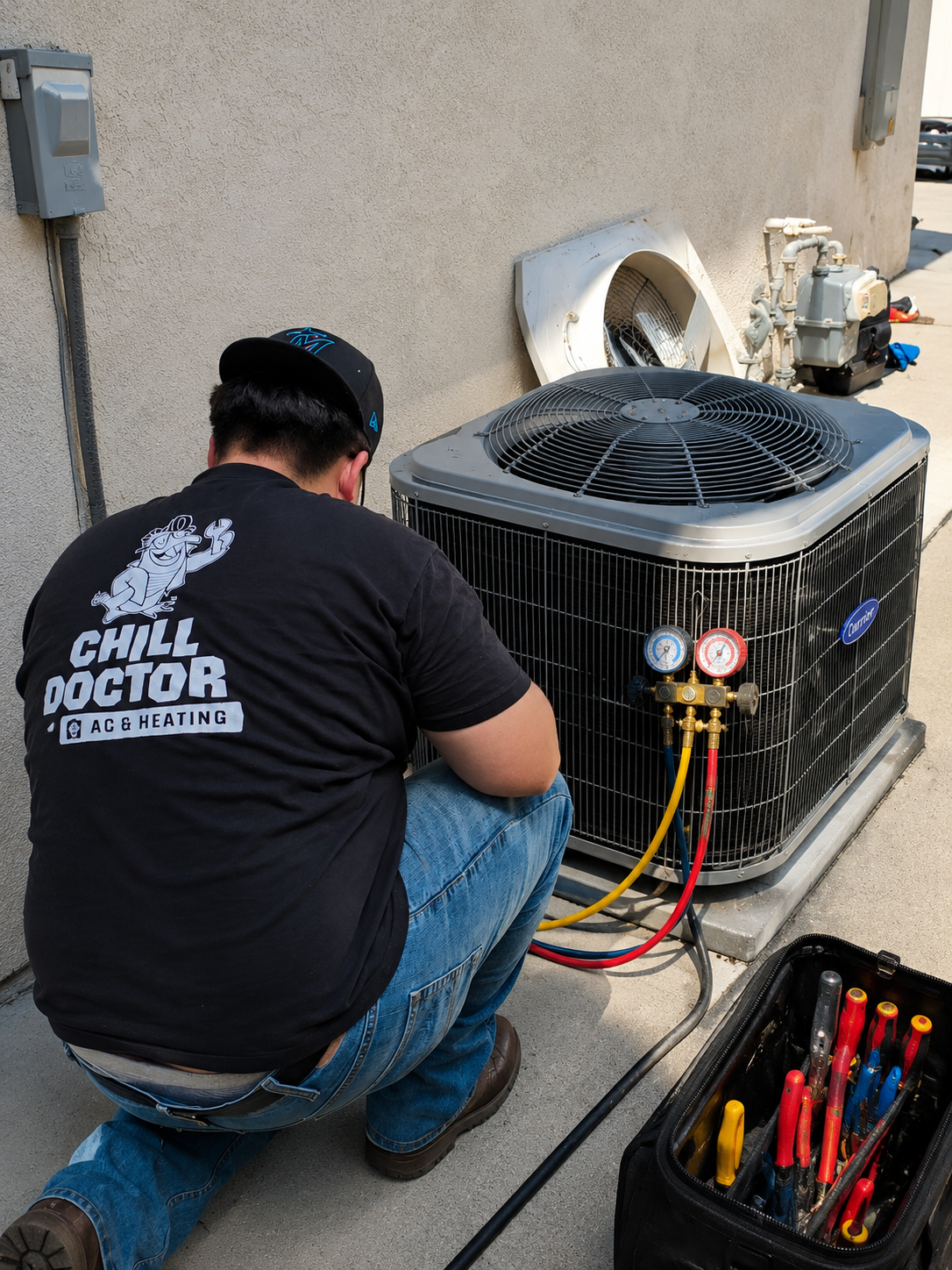
Affordable AC Maintenance Services in Eastvale to Prevent Costly Repairs
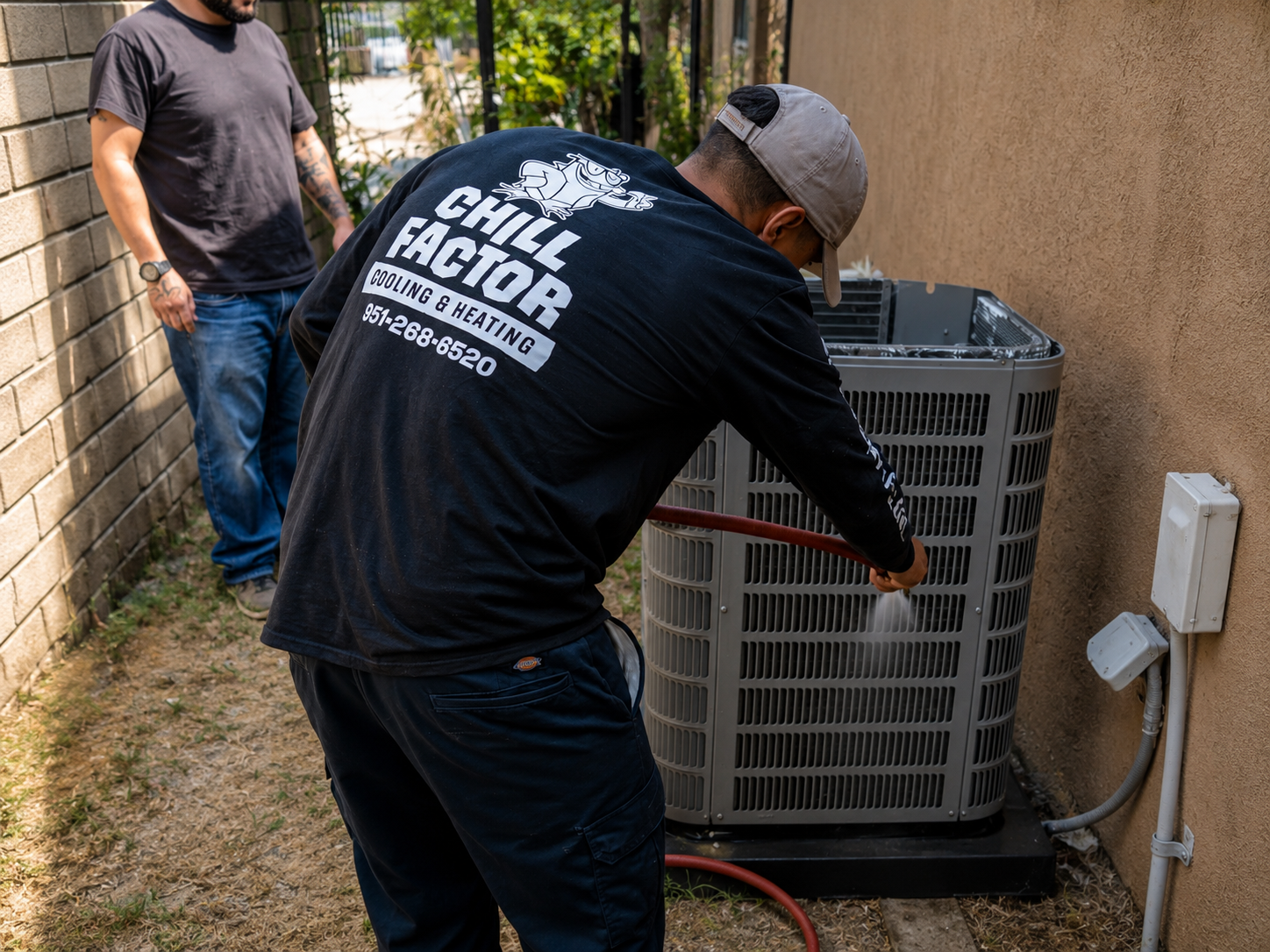
Is Your AC Not Performing Well? Try a Professional Maintenance Technician in Inland Empire, CA.
Is Annual AC Maintenance the Secret to Lower Energy Bills?
Is Your AC Blowing Warm Air? 5 Checks Before Calling 24/7 Repair
What You Should Know About AC Service and System Care